Why we want to pay as we go — for everything
As we wrote last week, Apple’s iPhone upgrade plan charges folks a premium for paying for their phone over time, provides insurance, and gives them the option to get a new phone every year.
A lot of people responded to the post saying they still thought it was a fair deal, especially considering the convenience of having a predictable payment level and hassle free upgrading. Now, Samsung is rumored to be rolling out a similar plan.
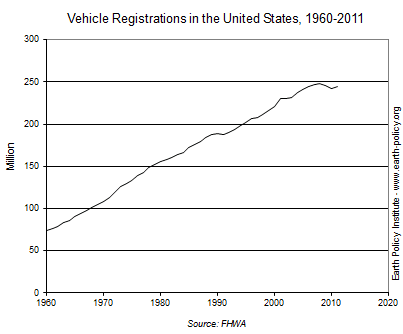
Both Apple and Samsung are being driven by a broader trend. Many have argued we have entered a post ownership society here in the US as millennials reject their parents’ stuff-filled lives. As one example, many people are finding that Uber is cheaper than owning a car in the Bay Area. This realization, among other factors has led to a stall in nationwide vehicle registrations (see chart below). Finally, in a “gig economy” where the smartphone becomes a means of getting and doing work, paying for it on an incremental and predictable basis feels a lot more natural than a large, upfront expenditure.
Ironically, this movement is already well underway in other parts of the world, and in many ways, the US is just catching up.
When Doug, our CEO, was in Africa selling D.Light solar systems in 2009, he found that the up-front cost was a significant hurdle for people with limited cash. He developed a remote management technology to meter small scale solar systems and accept monthly payments. A $200 device became a $20 per month device, sales ballooned, and millions of people were able to afford electric light for the first time.
Solar is also financed and paid monthly here in the US (again, paying over time allowed the industry to explode), but it is based on credit scoring and to some extent home ownership. The D.Light system worked without these onerous requirements.
This is important because even minor technological improvements can have a massive impact on customers that are typically ignored or overlooked. Solar may help lower electricity bills for folks in California, but it is a revolutionary source of electricity for millions in developing countries. Similarly, smartphones are a great work tool for many of us in the US, but are the most important lifeline for refugees and many people’s only computer.
This is what makes PayJoy such a powerful concept. We have devised a smartphone-based, pay-as-you-go system that works for any device, anywhere. We are beginning by allowing people to collateralize their smartphone, but eventually, we can enable them to pay over time for any device on easy installment plans, without requiring extensive credit checks or collateral.
Explore Similar Journeys.

.webp)
From Innovation to Impact: PayJoy's Financial Evolution